HOW WE THINK
Before We Build Anything, We Look at What's Actually Happening.
A leader keeps having the same conversation. A speaker has a story but cannot find the message that holds it together. A founder has years of expertise that customers struggle to understand. An organization keeps training people, yet the same problems return.
We begin by looking closely at what's already there. We listen, ask questions, examine patterns, and discover what needs attention.
Once we can see it clearly, we can decide what to build.
THE BLA METHOD
How Insight Becomes Something People Can Use
01 SEE
Recognize what's already present.
02 NAME
Give it language.
03 ARCHITECT
Build something usable.
04 CONNECT
Find who needs it.
05 EXPRESS
Communicate its value.
06 TRANSFER
Make it repeatable.
07 REFINE
Strengthen it with evidence.
You Can Keep Who You Are and Increase What You Can Do.
You've spent years developing your voice, your experience, and your way of seeing the world.
Then someone offers to put structure around what you know.
And a question may arise:
"Am I going to lose what makes me me?"
Your experience matters. Your language matters. Your way of seeing matters.
At Brilliance Leadership Academy, we begin with what is already yours. We listen for the language you naturally use, the judgments you've developed, and the patterns you've learned to recognize.
As we build frameworks, messages, programs, or systems, those discoveries help shape the work.
The engine is consistent. The expression is individual.
You can gain new ways to communicate, teach, lead, and build while remaining recognizable to yourself.
See the Method in Action.
Imagine someone who has spent twenty years helping people solve difficult problems.
Colleagues ask for advice. People trust their judgment. Yet when someone asks what they actually offer, they spend twenty minutes trying to explain it.
Here's how we might approach that work.
01 SEE — Discover What's Already There
We listen to their experiences, examine recurring patterns, and recognize the expertise they've come to consider ordinary.
02 NAME — Give It Language
We identify the problem their expertise helps solve and find words other people can recognize and understand.
03 ARCHITECT — Build the Structure
We organize that expertise into a clear framework, service, program, or offer.
04 CONNECT — Find the Right People
We identify who needs the work, what matters to them, and how they could discover it.
05 EXPRESS — Make the Value Clear
We develop the messaging, presentation, or proposal that helps people understand what is available.
06 TRANSFER — Make It Usable by Others
We create tools, processes, or guidance that allow the work to be delivered consistently and carried forward.
07 REFINE — Let Reality Teach Us
We put the work in front of real people, listen to their questions, observe what happens, and strengthen what needs attention.
The result?
Something that once lived primarily inside one person's experience now has language, structure, and a pathway into the world.
And the person can still recognize themselves in what they've built.
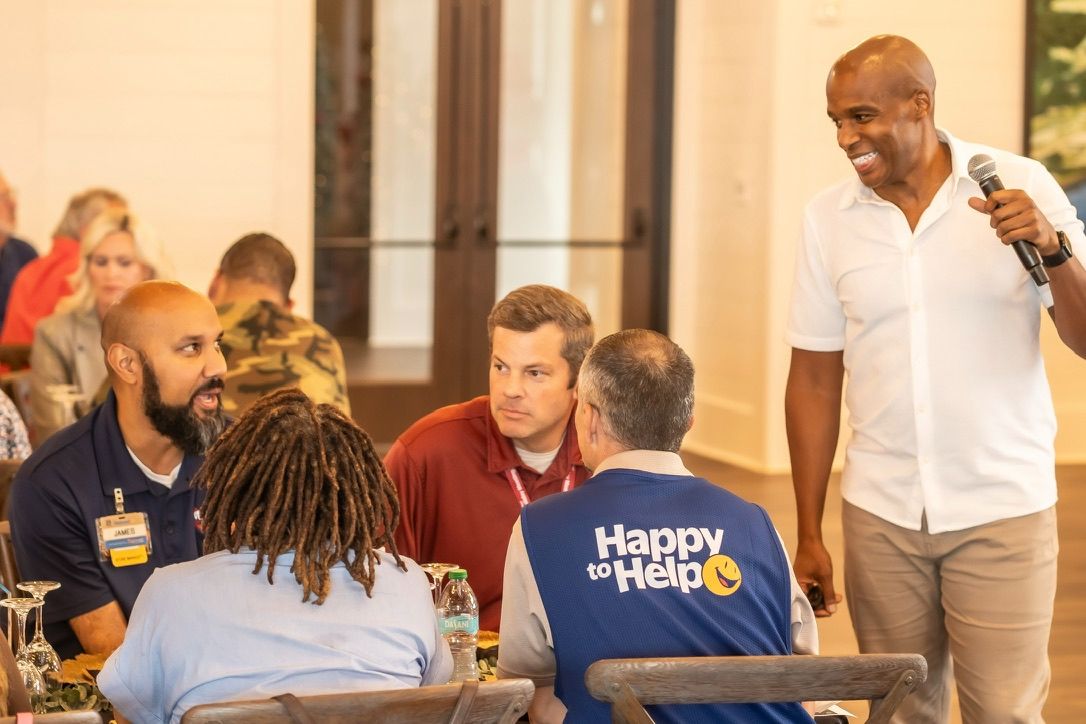
If It Only Works in the Workshop, It Isn't Finished.
The conference was inspiring.
The training made sense.
You wrote down something you promised yourself you would remember.
Then Tuesday at 2:15 p.m. arrives.
Someone challenges your decision. The team is behind schedule. A conversation becomes uncomfortable.
Suddenly, the wisdom that seemed so clear in the room is harder to access.
This is where our work has to hold up.
A leader needs another response when pressure rises.
A speaker needs a way to reconnect when the audience stops following.
A founder needs an offer people can understand without another hour of explanation.
An organization needs processes people can use without calling the person who created them.
And when problems keep returning, we examine the conditions producing them.
The expectations. The communication. The decisions. The systems.
We build for the moments when people actually need what they've learned.
A framework someone can remember. A conversation someone can navigate. A process another person can follow.
Wisdom becomes more valuable when people can use it, repeat it, and carry it forward.
That's what makes the work transferable.
Leadership Is Experienced in the Moment.
You walk into a conversation intending to listen.
Someone challenges your decision.
Your tone changes. You start explaining more. The other person starts defending themselves.
Afterward, you wonder how the conversation got so far from what you intended.
Something happened between your intention and their experience.
We examine that moment.
What did you assume? What were you protecting? What did the other person hear?
Was the expectation clear? Did the environment make it possible for that person to succeed?
Two questions help us see what needs attention:
What is mine to regulate?
What condition needs to be addressed?
Sometimes the leader needs another way to respond.
Sometimes the team needs clearer expectations.
Sometimes the process itself needs to change.
Sometimes all three need attention.
The goal is greater range.
More ways to listen. More ways to communicate. More ways to lead when the moment gets hard.
And more clarity about what each person can reasonably be responsible for.
That is Leadership Worth Following.
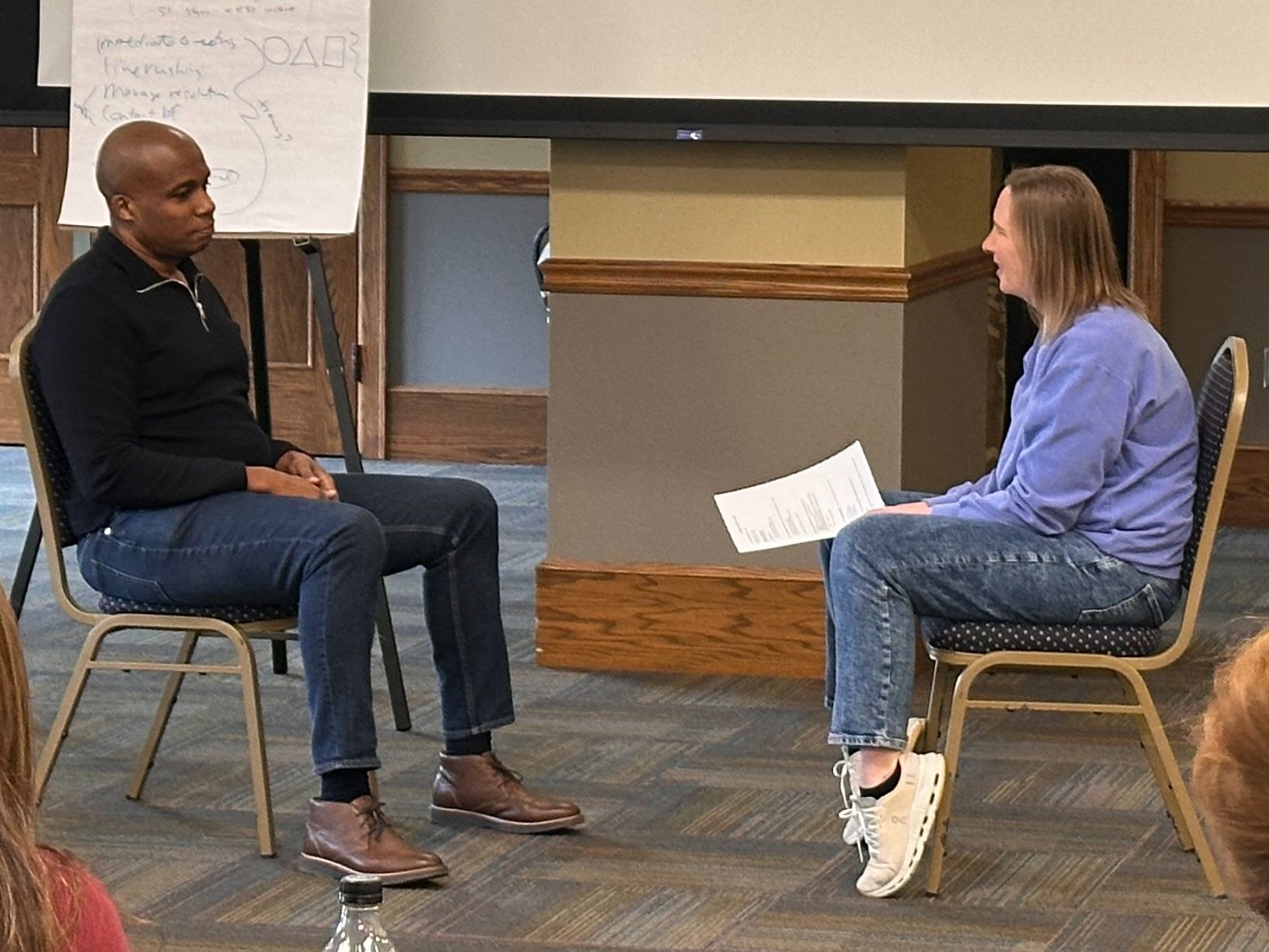
You've Seen How We Think. Where Would You Like to Begin?
You may be developing your own work, leading people through change, or trying to make valuable knowledge available to others.
What happens next depends on what you're working toward.
Choose the path that fits where you are today.
For Individuals
Develop your expertise, communication, leadership, or next opportunity through coaching and practical learning.
Explore CoachingFor Organizations
Strengthen leadership practices, develop your people, and make valuable knowledge transferable.
Explore OrganizationsSee It For Yourself
Experience a short exercise that helps you notice something you may have missed in an everyday situation.
Try the Experience →